
The internet has made shopping, investing, and earning money online easier than ever. Unfortunately, it has also made it easier for scammers to create fake websites designed to steal money, personal information, and account credentials.
Many scam websites look professional at first glance. They may use attractive designs, fake customer reviews, and convincing promises to gain your trust.
The good news is that most scam websites leave clues that can help you identify them before becoming a victim.
In this guide, we’ll explain the most common warning signs of scam websites and show you how to protect yourself when browsing online.
Why Scam Websites Are Dangerous
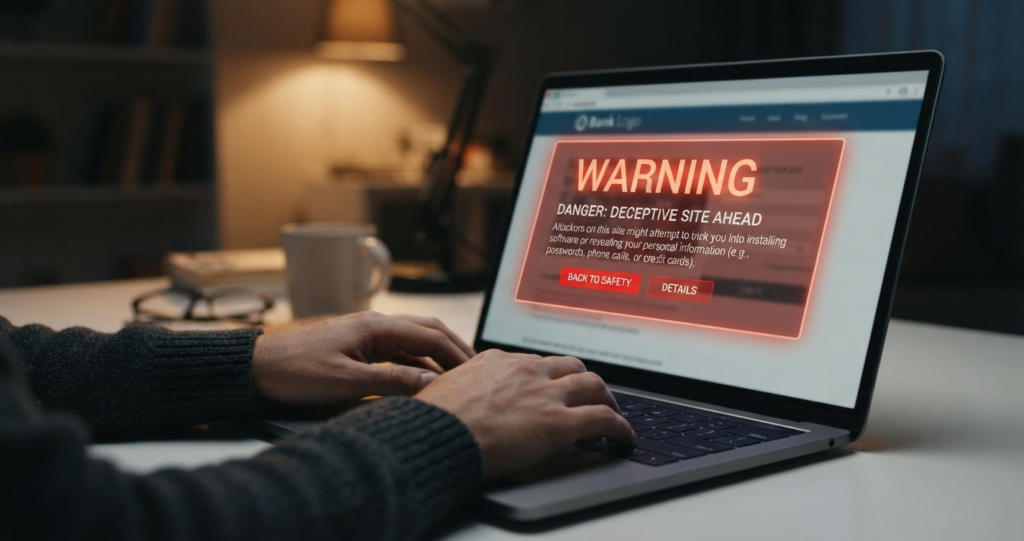
Scam websites are created for one purpose: to deceive visitors.
Depending on the scam, these websites may attempt to:
- Steal money
- Collect personal information
- Obtain login credentials
- Install malicious software
- Promote fake products or services
Victims often discover the fraud only after making a payment or sharing sensitive information.
1. Check The Website Address Carefully
One of the easiest ways to spot a scam website is by examining its URL.
Scammers often create addresses that look similar to legitimate websites.
Examples include:
❌ amaz0n.com
❌ paypa1.com
❌ faceb00k-login.com
At first glance, these addresses may appear legitimate.
Always read the full domain carefully before interacting with a website.
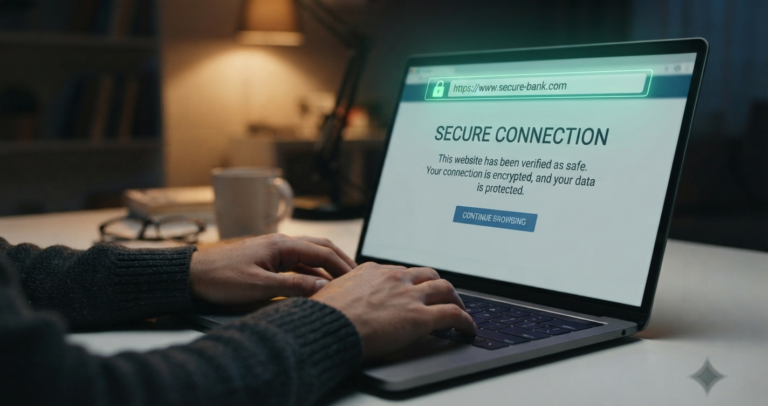
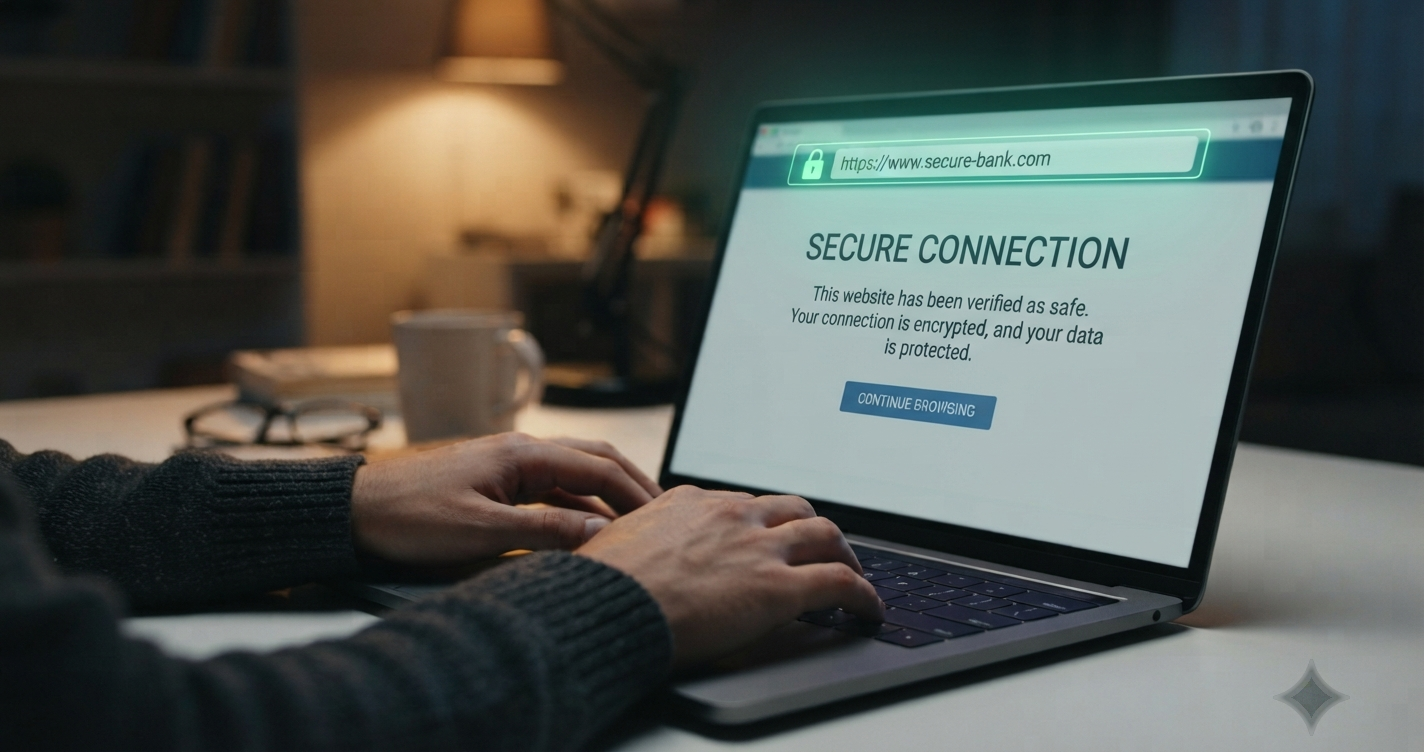
2. Look For HTTPS Security
Most legitimate websites use HTTPS encryption.
You can usually identify this by:
- A padlock icon in the browser
- URLs beginning with “https://”
While HTTPS does not guarantee a website is legitimate, the absence of HTTPS is a major warning sign.
Example:
3. Beware Of Unrealistic Promises
Scammers often use exaggerated claims to attract victims.
Common examples include:
- Guaranteed profits
- Instant wealth
- Free expensive products
- Extremely large discounts
- Risk-free investments
If an offer sounds too good to be true, it usually is.
4. Check For Contact Information
Legitimate businesses typically provide ways for customers to contact them.
Look for:
- Email addresses
- Contact forms
- Business addresses
- Customer support information
Be cautious if a website provides no contact details whatsoever.
5. Read The About Page
The About page often reveals important information about a business.
Warning signs include:
- Extremely vague descriptions
- No company background
- Poorly written content
- Missing ownership information
Legitimate businesses usually explain who they are and what they do.
6. Watch For Poor Grammar And Spelling
Many scam websites contain:
- Spelling mistakes
- Awkward sentences
- Poor formatting
- Unprofessional language
While mistakes can happen on any website, excessive errors may indicate a lack of credibility.
7. Search For Independent Reviews
Before spending money or providing information, search for reviews from independent sources.
Consider:
- User experiences
- Consumer forums
- Review websites
- Social media discussions
A lack of reviews is not always a red flag, but it should encourage further investigation.
8. Check The Website’s Age
Many scam websites are newly created.
A website registered only a few days or weeks ago deserves extra caution, especially if it claims to be an established company.
Domain age alone does not determine legitimacy, but it can provide useful context.
9. Be Careful With Payment Requests
Scam websites often prefer difficult-to-trace payment methods.
Examples include:
- Cryptocurrency-only payments
- Gift cards
- Wire transfers
- Unusual payment systems
Legitimate businesses generally provide secure and recognizable payment options.
10. Trust Your Instincts
Sometimes the biggest warning sign is simply that something feels wrong.
If a website seems suspicious because of:
- Aggressive sales tactics
- Strange requests
- Unrealistic claims
- Poor design
Take additional time to investigate before proceeding.
Common Scam Website Red Flags
Here is a quick checklist:
✅ Verify the website address
✅ Check for HTTPS
✅ Research independent reviews
✅ Confirm contact information
✅ Review company details
✅ Examine payment methods
❌ Guaranteed profits
❌ Unrealistic discounts
❌ Pressure to act immediately
❌ Requests for sensitive information
What To Do If You Suspect A Scam Website
If you believe a website may be fraudulent:
- Do not make payments.
- Avoid entering personal information.
- Leave the website immediately.
- Research the company further.
- Report suspicious activity when appropriate.
Taking a few extra minutes to verify a website can prevent significant losses.
Frequently Asked Questions
(Use the Rank Math FAQ Block for this section)
How Can I Tell If A Website Is Fake?
Check the website address, contact information, reviews, security features, and overall credibility before interacting with it.
Does HTTPS Mean A Website Is Safe?
No. HTTPS provides encryption, but scammers can also use HTTPS. It should be viewed as one factor among many.
Are New Websites Always Scams?
No. Many legitimate websites are new. However, new websites should be examined more carefully.
What Is The Biggest Scam Website Warning Sign?
Unrealistic promises and pressure tactics are among the most common warning signs.
Should I Trust Online Reviews?
Reviews can be helpful, but they should be considered alongside other credibility indicators.
FactAdviser Verdict
Scam websites continue to evolve, becoming more convincing every year. Fortunately, most fraudulent websites leave clues that careful users can identify.
By checking website addresses, reviewing contact information, researching independent feedback, and avoiding unrealistic offers, you can significantly reduce your risk of becoming a victim.
Remember our guiding principle:
Verify Before You Trust.